


Swollen ankles and feet can develop for many reasons, ranging from simple fluid buildup after a long day to circulation problems, vein issues, medication effects, or conditions such as diabetes and arthritis. The swelling may feel tight, heavy, or warm, and shoes may suddenly feel snug. Some people notice puffiness that improves with rest, while others see persistent fullness that returns each day. Because the feet and ankles sit far from the heart, they are especially sensitive to changes in circulation and pressure. A podiatrist can evaluate the pattern of swelling, check skin and nail health, assess circulation, and identify whether the cause is mechanical, inflammatory, or related to an underlying medical condition. Treatment may include wearing supportive footwear, targeted compression, activity guidance, or wound care if the skin becomes affected. If swelling continues or begins to limit daily movement, it is suggested that you see a podiatrist for effective relief solutions.
Swollen feet can be a sign of an underlying condition. If you have any concerns, contact one of our podiatrists of McKinney Podiatric Associates, PA. Our doctors can provide the care you need to keep you pain-free and on your feet.
Swollen feet are a common ailment among pregnant women and people who stand or sit for extended periods. Aging may increase the possibility of swollen feet and patients who are obese often notice when their feet are swelling too. There may be medical reasons why swollen feet occur:
Swollen feet can also be caused by bone and tendon conditions, including fractures, arthritis, and tendinitis. Additionally, there may be skin and toenail conditions and an infection may cause the feet to swell. Patients who take medicine to treat high blood pressure may be prone to getting swollen feet.
Many patients elevate their feet to help relieve the swelling and this is generally a temporary remedy. When a podiatrist is consulted the reason behind the swelling can be uncovered and subsequently treated.
If you have any questions please contact one of our offices located in Pasadena, Baytown, League City, Houston, and Pearland,TX . We offer the newest diagnostic and treatment technologies for all your foot and ankle needs.
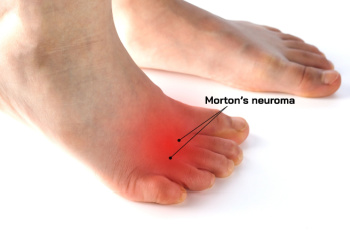
Morton’s neuroma develops when a nerve between the toes becomes irritated and begins to thicken, creating a mix of burning, tingling, or sharp discomfort in the front of the foot. Many people describe the sensation as if a small object is trapped under the ball of the foot, and the feeling often becomes stronger with wearing tight shoes or pressure on the toes. As the nerve becomes more inflamed, even short walks can feel uncomfortable, and certain footwear may be hard to tolerate. Reducing pressure on the area and choosing shoes that allow the toes to spread naturally can help calm early symptoms, but neuromas usually do not fade away without proper care. If you notice recurring burning or numbness in this part of your foot, it is suggested that you see a podiatrist for a clear diagnosis and effective treatment options.
Morton’s neuroma is a very uncomfortable condition to live with. If you think you have Morton’s neuroma, contact one of our podiatrists of McKinney Podiatric Associates, PA. Our doctors will attend to all of your foot care needs and answer any of your related questions.
Morton’s Neuroma
Morton's neuroma is a painful foot condition that commonly affects the areas between the second and third or third and fourth toe, although other areas of the foot are also susceptible. Morton’s neuroma is caused by an inflamed nerve in the foot that is being squeezed and aggravated by surrounding bones.
What Increases the Chances of Having Morton’s Neuroma?
Morton’s neuroma is a very treatable condition. Orthotics and shoe inserts can often be used to alleviate the pain on the forefront of the feet. In more severe cases, corticosteroids can also be prescribed. In order to figure out the best treatment for your neuroma, it’s recommended to seek the care of a podiatrist who can diagnose your condition and provide different treatment options.
If you have any questions, please feel free to contact one of our offices located in Pasadena, Baytown, League City, Houston, and Pearland,TX . We offer the newest diagnostic and treatment technologies for all your foot care needs.
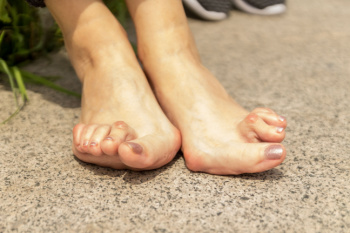
Rheumatoid arthritis, or RA, is a chronic autoimmune condition that can affect the joints in the feet, causing inflammation, pain, and stiffness. The immune system attacks joint tissues, leading to swelling, warmth, and decreased mobility. Symptoms in the feet may include difficulty walking, bunion formation, hammertoes, and joint deformities over time. Causes of RA involve genetic and environmental factors, while risk factors include family history, female gender, age, and smoking. Early diagnosis and management are crucial to prevent joint damage and maintain mobility. A podiatrist can evaluate foot health, provide custom orthotics, recommend supportive footwear, and suggest targeted therapies to reduce pain and inflammation. If you have symptoms of RA in your feet, it is suggested that you schedule a podiatry consultation to protect foot function and relieve discomfort.
Because RA affects more than just your joints, including the joints in your feet and ankles, it is important to seek early diagnosis from your podiatrist if you feel like the pain in your feet might be caused by RA. For more information, contact one of our podiatrists of McKinney Podiatric Associates, PA. Our doctors will assist you with all of your podiatric concerns.
What Is Rheumatoid Arthritis?
Rheumatoid Arthritis (RA) is an autoimmune disorder in which the body’s own immune system attacks the membranes surrounding the joints. Inflammation of the lining and eventually the destruction of the joint’s cartilage and bone occur, causing severe pain and immobility.
Rheumatoid Arthritis of the Feet
Although RA usually attacks multiple bones and joints throughout the entire body, almost 90 percent of cases result in pain in the foot or ankle area.
Symptoms
Diagnosis
Quick diagnosis of RA in the feet is important so that the podiatrist can treat the area effectively. Your doctor will ask you about your medical history, occupation, and lifestyle to determine the origin of the condition. Rheumatoid Factor tests help to determine if someone is affected by the disease.
If you have any questions, please feel free to contact one of our offices located in Pasadena, Baytown, League City, Houston, and Pearland,TX . We offer the newest diagnostic and treatment technologies for all your foot care needs.
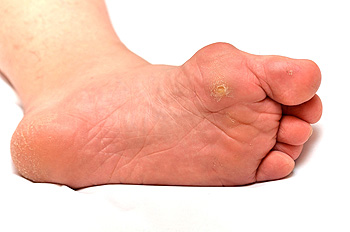
When thick, painful corns do not respond to routine care, a procedure called surgical enucleation may be used. A corn forms when repeated pressure or friction causes layers of hardened skin to build up around a central core. During enucleation, a podiatrist carefully removes this core, relieving pressure on the underlying tissue. The procedure is typically performed in the office and does not involve stitches. Patients often experience immediate reduction in discomfort when walking. After treatment, addressing the cause of pressure is essential. This may include footwear changes, padding, or custom orthotics to prevent recurrence. A podiatrist can also evaluate foot structure and gait patterns that contribute to corn formation. Proper treatment and prevention help restore comfort and reduce the risk of ongoing skin irritation and pain. If you have foot corn that is painful, it is suggested that you see a podiatrist for proper care.
Corns can make walking very painful and should be treated immediately. If you have questions regarding your feet and ankles, contact one of our podiatrists of McKinney Podiatric Associates, PA. Our doctors will treat your foot and ankle needs.
Corns: What Are They? And How Do You Get Rid of Them?
Corns are thickened areas on the skin that can become painful. They are caused by excessive pressure and friction on the skin. Corns press into the deeper layers of the skin and are usually round in shape.
Ways to Prevent Corns
There are many ways to get rid of painful corns such as:
Treating Corns
Although most corns slowly disappear when the friction or pressure stops, this isn’t always the case. Consult with your podiatrist to determine the best treatment option for your case of corns.
If you have any questions, please feel free to contact one of our offices located in Pasadena, Baytown, League City, Houston, and Pearland,TX . We offer the newest diagnostic and treatment technologies for all your foot care needs.



 McKinney Podiatric Associates, P.A. - Default